
Project Details: Best Western Plus
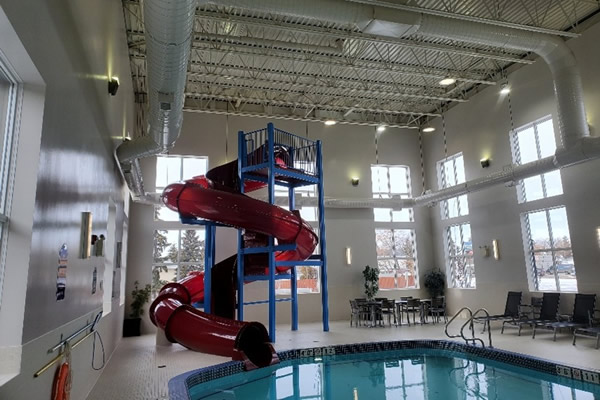
Best Western Plus
Service: Mechanical
Location: Leduc, AB
Specialty: HVAC
Swimming Pool Repairs Project Summary
The Best Western Plus Hotel in Leduc experienced a building addition around 2017 to create a recreational pool for its guests. Shortly after completion, the pool began to experience issues with moisture control. Lexus Engineering was approached to lead a multi-phase HVAC retrofit that improved indoor air quality, protected building integrity, and enhanced the guest experience.
Background
Indoor aquatic centers, or ‘Natatoriums’, are among the most challenging types of facilities to design due to their complex indoor atmosphere. High indoor temperature, humidity, and chemicals in the pool water can cause bad air quality, condensation, and building degradation. These conditions are even more difficult to design for in a colder climate where structures are exposed to below dew-point temperatures, which can exacerbate the symptoms.
HVAC system design for natatoriums is uniquely challenging due to the constant evaporation from the pool surface, which introduces large amounts of moisture into the air. Effective pool humidity control is paramount, typically achieved through a combination of:
- Dehumidification: Often the primary method, removing moisture directly from the air using refrigeration cycles or desiccant-based systems.
- Ventilation: Introducing a sufficient amount of outdoor air to dilute contaminants and excess moisture, while exhausting an equivalent amount of humid indoor air.
- Temperature Control: Maintaining specific air and water temperatures is crucial. A slightly warmer air temperature than water temperature (typically 2-4°F warmer) helps reduce evaporation and improve bather comfort.
- Pressure Relationships: Maintaining a slight negative pressure within the natatorium relative to adjacent spaces and the outdoors prevents humid, chlorinated air from migrating into the building structure and causing concealed condensation and damage.
- Air Distribution: Proper air distribution is vital to ensure uniform conditions, prevent stagnant air pockets, and sweep moist air away from critical surfaces like windows and exterior walls.
Without adequate systems, moisture migrates into the building envelope and can cause significant long-term structural and aesthetic damage, leading to expensive repairs and an uncomfortable environment for users.
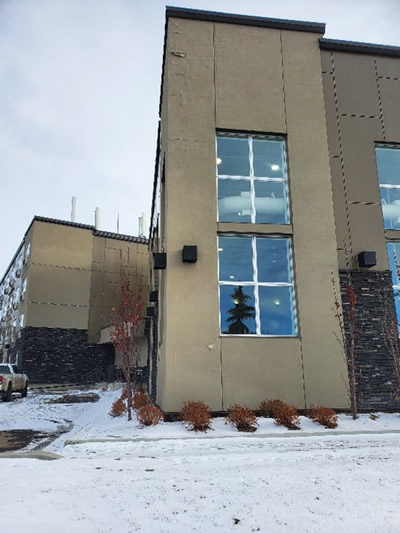
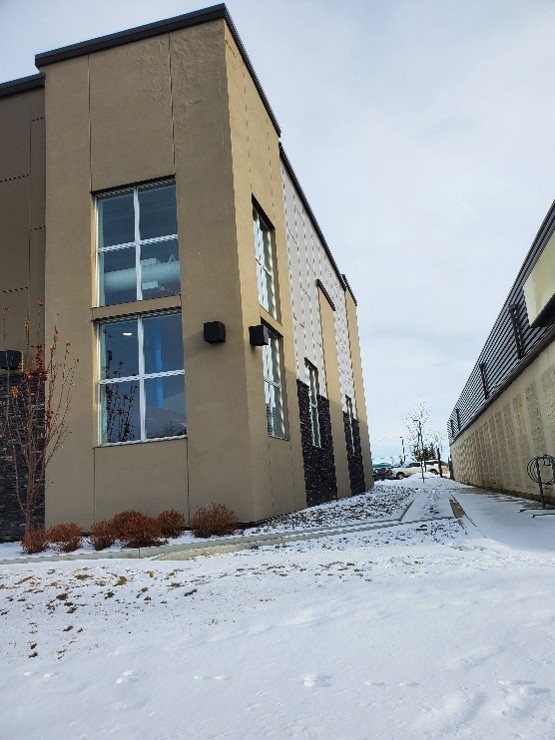
The Best Western Plus Leduc swimming pool suffered from significant environmental control problems. These issues manifested as degradation of the exterior insulation and finish system (EIFS), corrosion of interior structural members, persistent condensation on windows, and high indoor humidity.
Solutions
Our firm engineered and implemented a multi-faceted HVAC retrofit to comprehensively resolve the moisture issues:
- Increased Air Change Rates: The existing HVAC system was upgraded to provide a significantly higher rate of air changes per hour within the pool area. This increased ventilation helps to more rapidly remove moisture-laden air, crucial for maintaining good indoor air quality (IAQ) and reducing the concentration of chloramines.
- Modern Humidity Control with Economizer: A new, advanced economizer controller was installed, integrated with new, highly accurate sensors. This system intelligently manages outside air intake and exhaust, optimizing energy use while maintaining precise humidity levels. It leverages favourable outdoor conditions (low humidity and moderate temperatures) to introduce drier air when possible, reducing the load on mechanical dehumidification and saving energy. Furthermore, new variable frequency drives (VFDs) were installed for the existing supply and return air blower motors to allow nighttime turndown of ventilation to enable energy conservation during times of inoccupancy.
- Dedicated Pressure Control System: A critical component of the retrofit was the implementation of a new pressure control system. This system features a dedicated exhaust fan discreetly built into an architectural bench structure within the pool area. This fan is controlled by a differential pressure controller that actively maintains a slight negative pressure of 0.05" WC relative to the outside. This negative pressure ensures that moist air is continuously drawn out of the pool area and prevents it from exfiltrating into the building structure, thereby mitigating condensation, concealed corrosion risks, and EIFS degradation. This also helps contain pool chemicals and odors within the natatorium.
Project Stages
The project followed a rigorous, multi-stage approach to ensure optimal results:
- Building Assessment: The initial phase involved a thorough building assessment. This included a detailed review of the existing HVAC system to identify deficiencies in dehumidification capacity, ventilation rates, and pressure control. A crucial step was conducting a blower door test to accurately measure the air leakage through the building envelope. This data was essential for precisely sizing the new dedicated exhaust fan and understanding the building's overall airtightness, which directly impacts the required ventilation and pressure control strategies. The findings and recommended retrofit measures were compiled in a comprehensive report.
- Design: Following the assessment, our engineers developed a detailed design for the mechanical upgrades, incorporating the increased air change rates, modern humidity control with economizer, and the new pressure control system with its dedicated exhaust fan. This design also included specifications for new supply and return air ductwork modifications to ensure optimal air distribution.
- Construction Monitoring and Commissioning: Our firm provided close monitoring through the construction phase, ensuring adherence to design specifications and quality standards. Upon completion, a thorough inspection was conducted, and the commissioning and start-up process was carefully reviewed. This meticulous oversight ensured that all new systems were operating precisely within the prescribed parameters, including verifying airflows, temperature and humidity setpoints, and differential pressures. This guarantees long-term performance, energy efficiency, and client satisfaction.
Conclusion
After a detailed assessment and careful design stage, Lexus Engineering was able to address the underlying causes of excessive moisture, envelope degradation, and poor indoor air quality in the Best Western Plus hotel swimming pool.
1a
1b
Figure 1a-b: Signs of degradation on the exterior insulation and finish system (EIFS) of the swimming pool building.
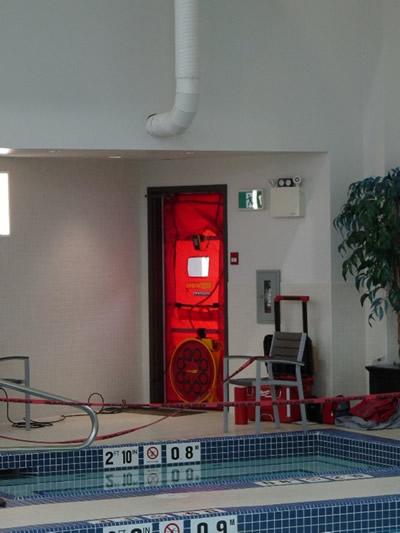
Figure 2: Blower door testing apparatus set-up on the exterior door of the pool building
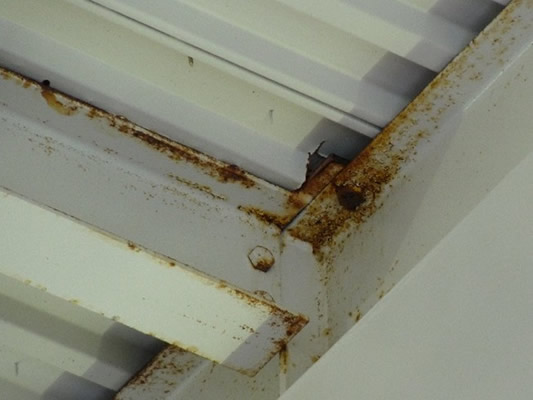
3a: Before
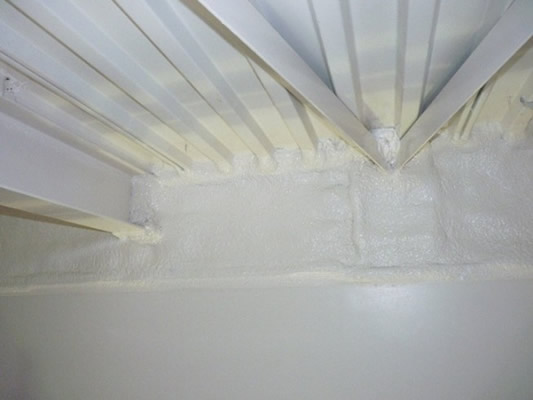
3b: After
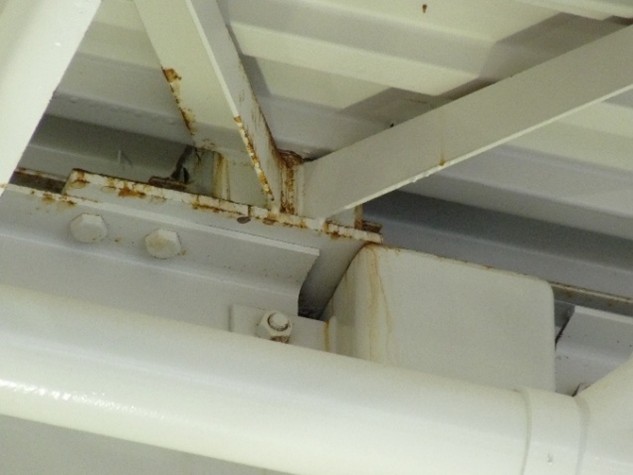
3c: Before
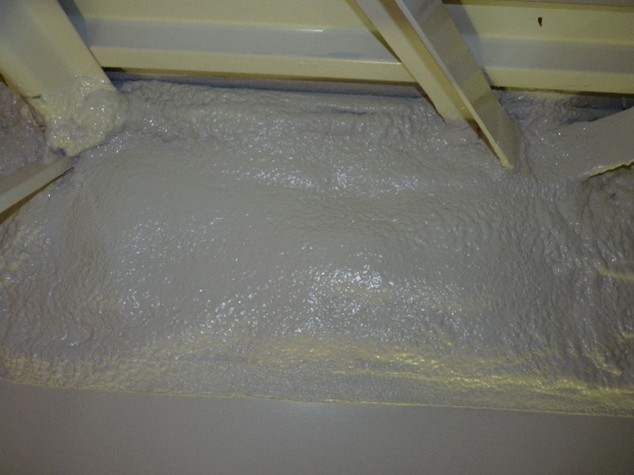
3d: After
Figure 3(a-d): Roof support beams have been cleaned of rust, coated with urethane foam insulation and painted.
4a
4b
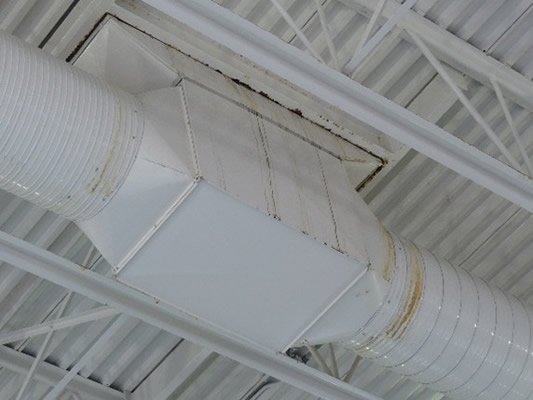
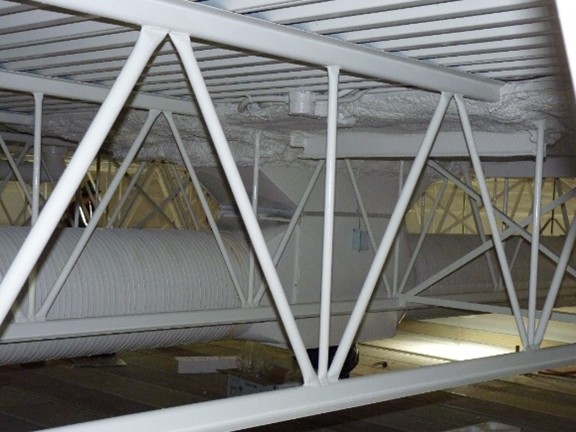
Figure 4(a-b): Corrosion remediation on the supply air duct and spray foam insulation on the underside of the air handling unit.
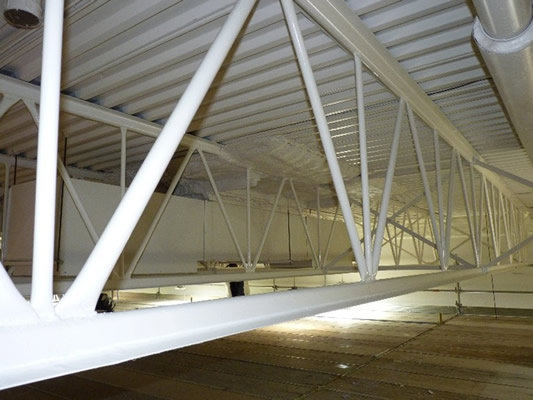
Figure 5
Figure 5: Corrosion remediation on the return air duct and spray foam insulation on the underside of the air handling unit.
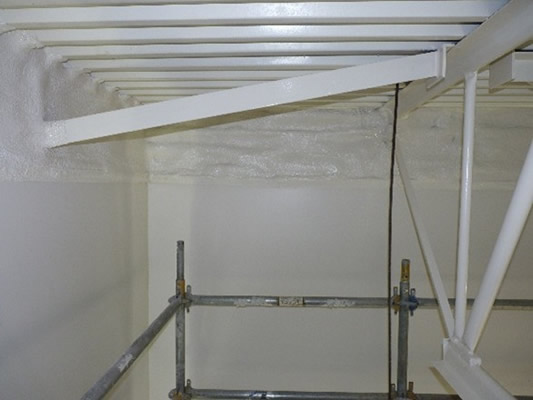
Figure 6
Figure 6: Roof support beams along the entire perimeter have been cleaned of rust, coated with urethane foam insulation and painted.
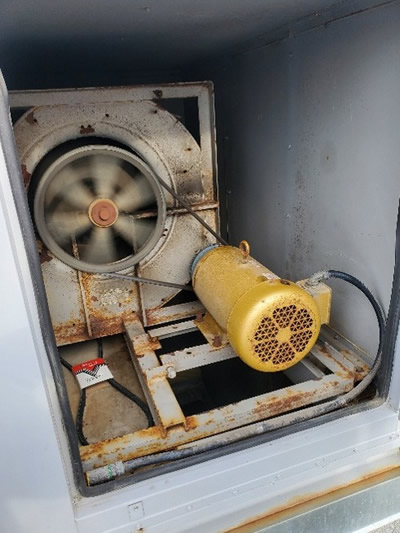
7a: Before
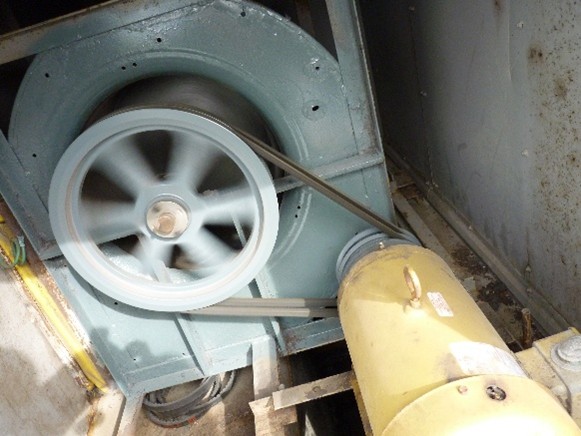
7b: After
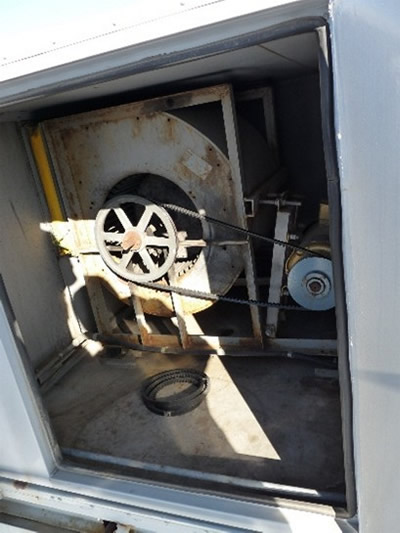
7c: Before
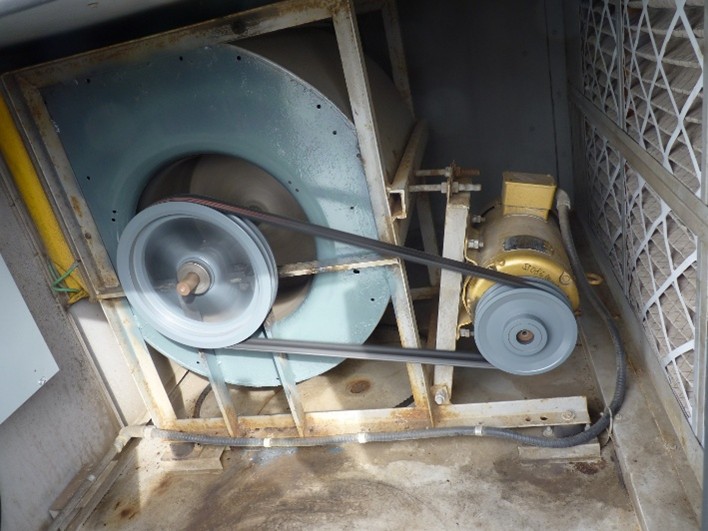
7d: After
Figure 7(a-d): Return air and supply air fans in air handler have been rust-protected and drives were upgraded with two sets of belts and pulleys.
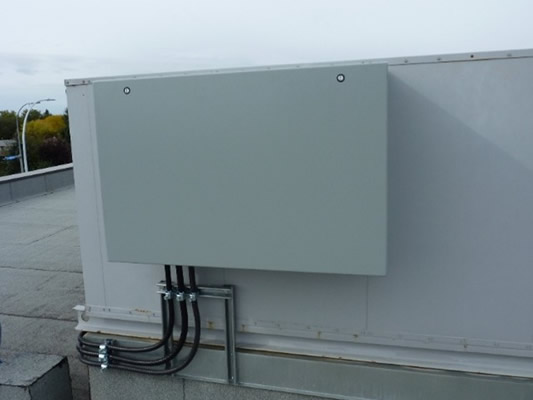
8a: Enclosure
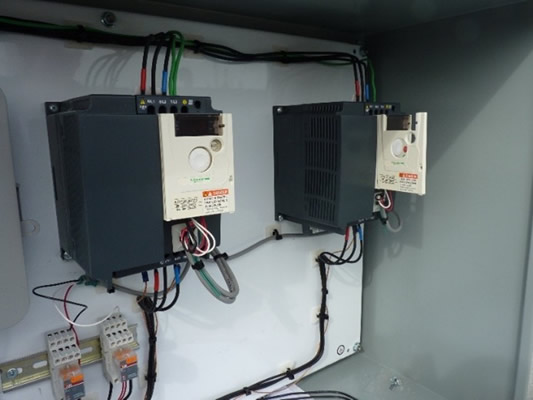
8b: VFDs
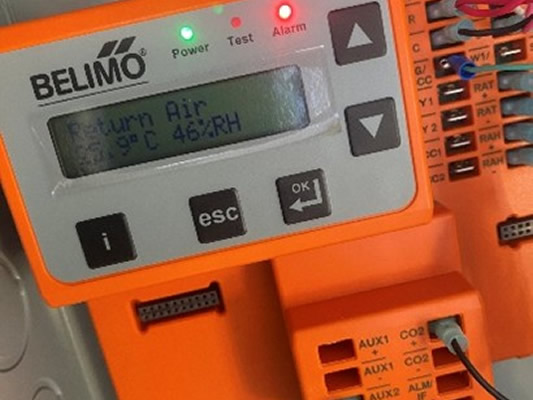
8c: Controls
Figure 8(a-c): New electrical enclosure on air handling unit, fitted with new variable frequency drives and new economizer control board.
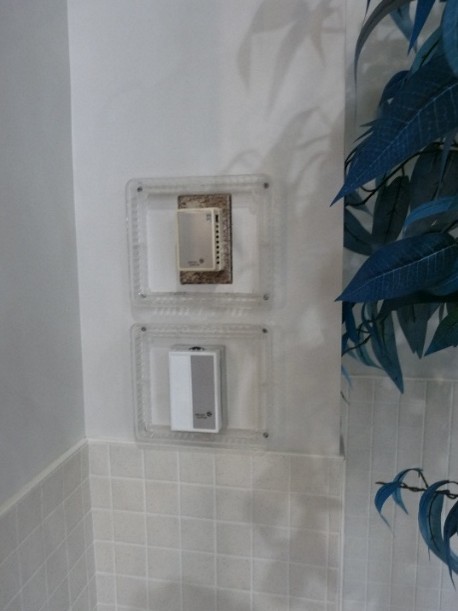
9a: Before
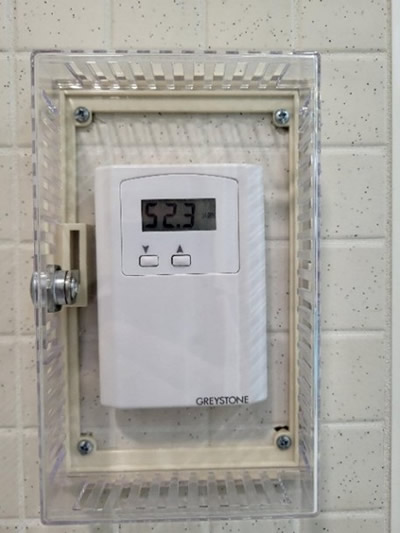
9b: Humidity sensor - After
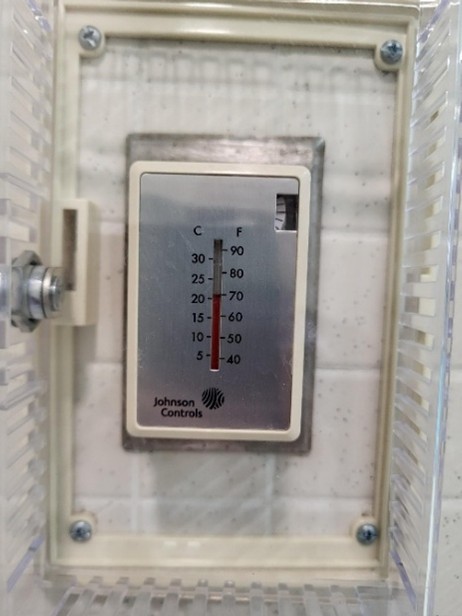
9c: Temperature sensor - After
Figure 9(a-c): Old and new temperature and humidity sensors on wall.
Codes: NBC2019AE, ASHRAE 62
Let's start your project together!
Contact us and let's chat about how we can help.